Get More Bookings - Optimising Holiday Home Listings
3 minute read // updated
 by Kelly Odor, Marketing Professional
Key Takeaways
- Practical steps to optimise listings for Google, OTAs and your own website.
- How to use photos, keywords and reviews to boost visibility and bookings.
- Storytelling tactics to emotionally connect with guests and stand out.
Guests discover your homes in crowded search results, on busy channels and on your own website.
Optimise each listing for organic search (e.g. Google), advertising on every OTA (e.g. Airbnb or Vrbo), and the real people behind the clicks using tools already inside Bookster.

Every optimised listing should work twice as hard: easy for channels to surface and compelling enough that guests cannot scroll past.
Bookster provides tools to enable hosts to attract bookings, manage bookings, and support guests needs.
In a recent post on a social forum, a host asked host to optimise her holiday listing. Here's our reply.
How to optimise your holiday home listings for channels, search engines like Google and guests
1: Optimise listings for Search Engine Optimisation (SEO)
Not sure what SEO is? Check out our guide to SEO.
TLDR:
- Use clear, keyword‑rich titles with location, property type and a key benefit.
- Write unique, information‑rich descriptions on your website, not just Online Travel Agent (OTA) copy (also known as channels, portals and platforms.
- Make pages easy for search engines to crawl and review performance regularly.
For search visibility, titles should closely match the phrases guests actually use, such as “Dog‑friendly cottage in Fife with hot tub” rather than using a property name alone.
Combining location, property type and a main selling point helps search engines understand what the page is about and which searches it should appear for.
Descriptions work best when they are unique, descriptive and structured into short paragraphs.
Re‑using the same text across several channels dilutes relevance, whereas original copy on your website in blog articles and specialist 'search hero' pages can target additional long‑tail searches like “family‑friendly holiday home near St Andrews with parking”.
Monitor how pages perform over time, through rankings, traffic and user behaviour, as this helps identify which listings need further refinement.
By analysing this data, you will provide evidence to support decision making about which keywords to use, which pages to expand and where internal links could clarify related content.
How this applies when using Bookster
For Bookster users, unique SEO‑focused content can be added directly to the website pages for each property, giving more opportunity to be seen in places like Google.
The Book Direct Toolkit provides tools for tracking keywords, monitoring traffic and running website health checks, so clients can see which listings need attention rather than guessing.
2: Optimise listings for Channels (e.g. Airbnb, Booking.com or Vrbo)
TLDR:
- Complete all available fields in your Property Management Software (PMS), aiming for high completeness scores.
- Prioritise high‑quality, accurate photography that reflects how the property really looks.
- Keep calendars, rates and settings synchronised across all connected channels.
When advertising on channels like Airbnb and Booking.com ranking are influenced by how complete and reliable a listing appears.
Details like parking options, check‑in methods, amenities and local information all feed into visibility and filter results, so systematically filling every relevant field improves the chances of appearing in more guest searches.
Photographs are often the first deciding factor. Research and OTA guidance highlight the value of a strong “hero” image (also known as a first photo), followed by clear shots of key rooms, exteriors and any particularly attractive features, using enough images to give a realistic sense of the space.
Accurate availability and pricing across all channels reduce the risk of double‑bookings and cancellations, which can negatively affect ranking and guest trust.
Regular reviews of channel analytics, such as click‑through and conversion rates, support data‑led decisions about further content or pricing changes.
How this applies when using Bookster
Bookster clients can update property details once and distribute them to connected channels, reducing inconsistencies that might arise from manual edits in multiple dashboards.
3: Optimise listings for people (with storytelling)
TLDR:
- Present features as benefits that relate directly to guest needs.
- Use concise storytelling to help guests imagine their stay.
- Integrate reviews and responses to reinforce credibility.
Positioning information around guest benefits, such as comfort, convenience or atmosphere, helps readers quickly assess whether a property suits them.
For example, describing a workspace in terms of “a quiet desk with strong Wi‑Fi for remote work” is more actionable than listing “desk and Wi‑Fi” in isolation.
Storytelling techniques, including brief insights about how past guests have used the space or typical days at the property, can increase engagement and recall, leading to growth in enquiry rates and conversion.
Reviews supply an independent layer of information about what staying in the property is actually like.
Highlighting specific guest comments and responding constructively to feedback gives prospective guests more data points to evaluate suitability and reliability.
How this applies when using Bookster
For Bookster clients, descriptive fields, image captions and website copy can all be used to present benefits and short stories without changing core operational settings.
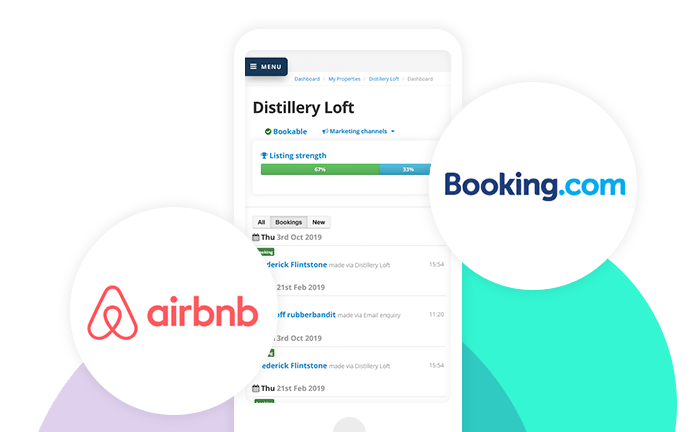
Review prompts and tools within the platform, combined with guidance from articles such as Property Listings Strength, support a more systematic approach to collecting and showcasing feedback.
Add reviews to your website using Bookster's review tools, and Revyoos.
Focusing on search visibility, channel completeness and human‑centred content provides a structured way to evaluate and improve listing performance.
For Bookster clients, the combination of website tools, listing strength indicators and channel connections creates a framework to apply these information‑led improvements consistently across every property.