Holiday rental Terms & Conditions | What to include
5 minute read // updated
 by Kelly Odor, Marketing Professional
Key Takeaways
- Protect your holiday rentals with clear terms incl. cancellation, payment, house rules
- Include 10 essential clauses: deposits, capacity, access, insurance, and check-in/check-out details
- Always have a solicitor review your terms to ensure they're legally enforceable in your area.
Your Terms and Conditions (when someone books directly with you) form part of the contract that they Guest is agreeing to when they book with you.
Not sure what to include in your Short Term Lets?
We offer 10 points to review with your legal representative.
It's important to protect your business, your property and your guests
How to write short term rentals Terms and Conditions
It's important to protect your business, your property and your guests when you have short term lets.
One protection is to set out clear Guest Terms and Conditions (Ts & Cs).
Strong terms and conditions also help you manage guest expectations from the moment they book, reducing disputes and misunderstandings during their stay.
When combined with clear communication and professional guest management, terms and conditions create a foundation for positive reviews and repeat bookings.
Not sure what to include in your Short Term Lets?
We offer 10 points to review with your legal representative.
How can Bookster help?
Bookster is a property management software here to help you with three important aspects of running your short term rental business:
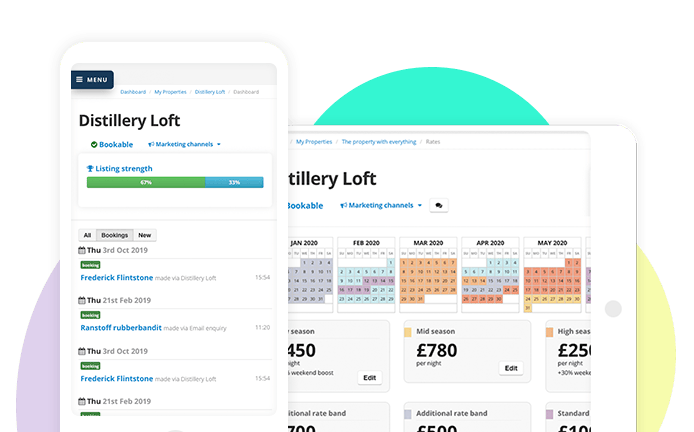
In Bookster, you can define Terms and Conditions across all your properties, and also individual Terms and Conditions for each property, if required.
What Should I include in my Terms and Conditions?
A common question from our clients, is "What should I write in my Terms and Conditions?"
We cannot provide specific wording as this will depend on your property, business and location.
However we have noted down some points that you should consider including in your Short Let Terms and Conditions.
Many professional property managers also recommend including liability limitations, guest responsibilities for accidental damage, and clear procedures for reporting issues during the stay to protect both parties.
IMPORTANT: Professional legal advice should be sought to verify that your rental agreement is lawful and fair before using.
1. Cancellation Policy
- How far in advance can a Guest cancel
- Is there a penalty for cancelling
- What happens if you have to cancel
Industry experts recommend clearly stating whether cancellations are refundable, partially refundable, or non-refundable, and specifying the exact timeframes for each tier.
Consider offering flexible cancellation options for direct bookings to compete with OTA cancellation policies.
2. What kind of use is permitted in the property
- Hen or Stag parties
- Other parties
- Subletting
Many operators also specify restrictions on commercial filming, photoshoots, or events that could impact neighbours or property wear and tear.
3. Property Capacity
- Additional Guests
- Visitors
Leading property managers recommend including specific penalties or fees for exceeding occupancy limits, as overcrowding can violate fire safety regulations and local licensing requirements.
Make it clear whether daytime visitors are permitted and if overnight guests incur additional charges.
4. Payment collection
- The Schedule of payments expected
- Initial payment
- Remaining balance
- Additional fees (Cleaning, pets, cot provision, welcome basket, etc)
- Value, Collection and return of a Damage Deposit
- Truvi (Previously SUPERHOG) deposit
It's recommended to clearly state your accepted payment methods and currency, as well as any payment processing fees that may apply.
For international guests, specify whether prices are quoted in local currency or their home currency to avoid confusion.
5. Damage Deposit details
- Circumstances when a Damage Deposit is not returned
- When the Guest should expect to get their Damage Deposit back
- Procedure when there is a:
- small amount of damage
- large amount of damage.
Industry best practice suggests specifying a clear timeline for deposit returns (typically 7-14 days after checkout) and providing detailed examples of what constitutes "normal wear and tear" versus damage that will result in deductions.
6. Property care
- Inventory
- Keys, SmartLocks and Access
- Reporting issues / damage
- Neighbours - being considerate
- Amenities - how to look after various features of the property.
Many operators also include specific instructions on appliance use, waste disposal procedures, and recycling requirements.
If your property has unique features like a hot tub, wood burner, or smart home technology, provide clear usage guidelines to prevent misuse and damage.
7. House rules
- Pets
- Children
- Noise levels
- Smoking
- Pool / Hot-tub usage
- BBQ usage
- Parking
- Illegal activities.
Professional hosts often add clauses covering specific quiet hours (e.g., 10 PM - 8 AM), restrictions on open flames or candles, and guidelines on disposing of cooking oil or grease.
Be specific about parking arrangements, especially if spaces are limited or require permits.
8. Access
The Guest's obligation to provide access to:
- a Property Manager
- Trades People such as a Plumber or Electrician for emergency repairs.
It's advisable to define "reasonable notice" (typically 24-48 hours except in emergencies) and clarify what constitutes an emergency that justifies immediate entry. This protects both your property and the guest's privacy rights.
9. Arrival and departure details
- Anything that is required to be done upon entering the property (e.g. switching heating on)
- Are the Guests expected to clean the property, put their linen somewhere etc.?
- Any penalties for for late Check-in or Check-out
Many operators now include detailed check-out procedures, such as stripping beds, starting the dishwasher, taking out rubbish, and locking all doors and windows. Consider linking to your detailed guest communication materials that explain these procedures with photos or videos.
10. Insurance
You can recommend that your Guests have travel insurance to protect them in the even there is a some damage while they are using the property.
Industry experts strongly recommend including a clause stating that you are not liable for guests' personal belongings, and explicitly advising guests to obtain comprehensive travel insurance covering trip cancellation, medical emergencies, and personal liability.
Some operators also recommend guests verify their insurance covers stays in private accommodation rather than just hotels.
Additional clauses recommended by industry professionals
Many vacation rental agreements now include:
-
Liability limitations: Clarifying that the host is not responsible for injuries, accidents, or loss of personal property during the stay
-
Force majeure: Outlining what happens if circumstances beyond either party's control (natural disasters, pandemics, government restrictions) prevent the rental from proceeding
-
Data protection: Explaining how guest personal information will be stored and used in compliance with GDPR or relevant data protection laws
-
Photography and marketing: Requesting permission to use guest reviews or photos for marketing purposes (with opt-out options)
-
Local regulations compliance: Requiring guests to comply with any local tourism taxes, registration requirements, or visitor levies like the Scottish Visitor Levy.
Make your Ts & Cs easy to understand
While comprehensive terms and conditions are essential, they should also be easy for guests to read and understand.
Use clear, plain language rather than complex legal jargon where possible, break information into numbered sections with clear headings, and consider providing a simplified "key points" summary at the beginning for guests who want a quick overview.
Your holiday rental website should make it easy for guests to access and review your full terms before booking, with a checkbox confirmation that they've read and accepted them during the booking process.
Frequently Asked Questions
- What should be in holiday rental terms and conditions?
- Holiday rental terms and conditions should include: cancellation policy, payment schedule, damage deposit details, maximum occupancy, house rules (pets, smoking, noise), check-in/check-out times, and what's prohibited (parties, subletting). Always have a solicitor review your terms to ensure they're legally enforceable in your country.
- Are terms and conditions legally required for short-term rentals?
- While not legally required everywhere, terms and conditions protect you and your guests by creating a clear contract. They help you enforce cancellation policies, collect damage deposits, and set house rules. Without them, you have limited recourse if guests damage property, violate occupancy limits, or dispute cancellations. Consult a solicitor to ensure yours are enforceable.
- Can I use the same terms and conditions for all my holiday rental properties?
- You can create standard terms that apply across all properties, but you should customise sections for property-specific details like parking arrangements, pool rules, pet policies, or noise restrictions. Property management software like Bookster lets you set default terms for all properties while adding individual clauses where needed for flexibility.
Short Term Lets Terms and Conditions are there to protect your business and cover a number of different aspects for you, your guest, your property and your location.
Speak with your legal representative to ensure you have included what's needed to take care of your short term lets.